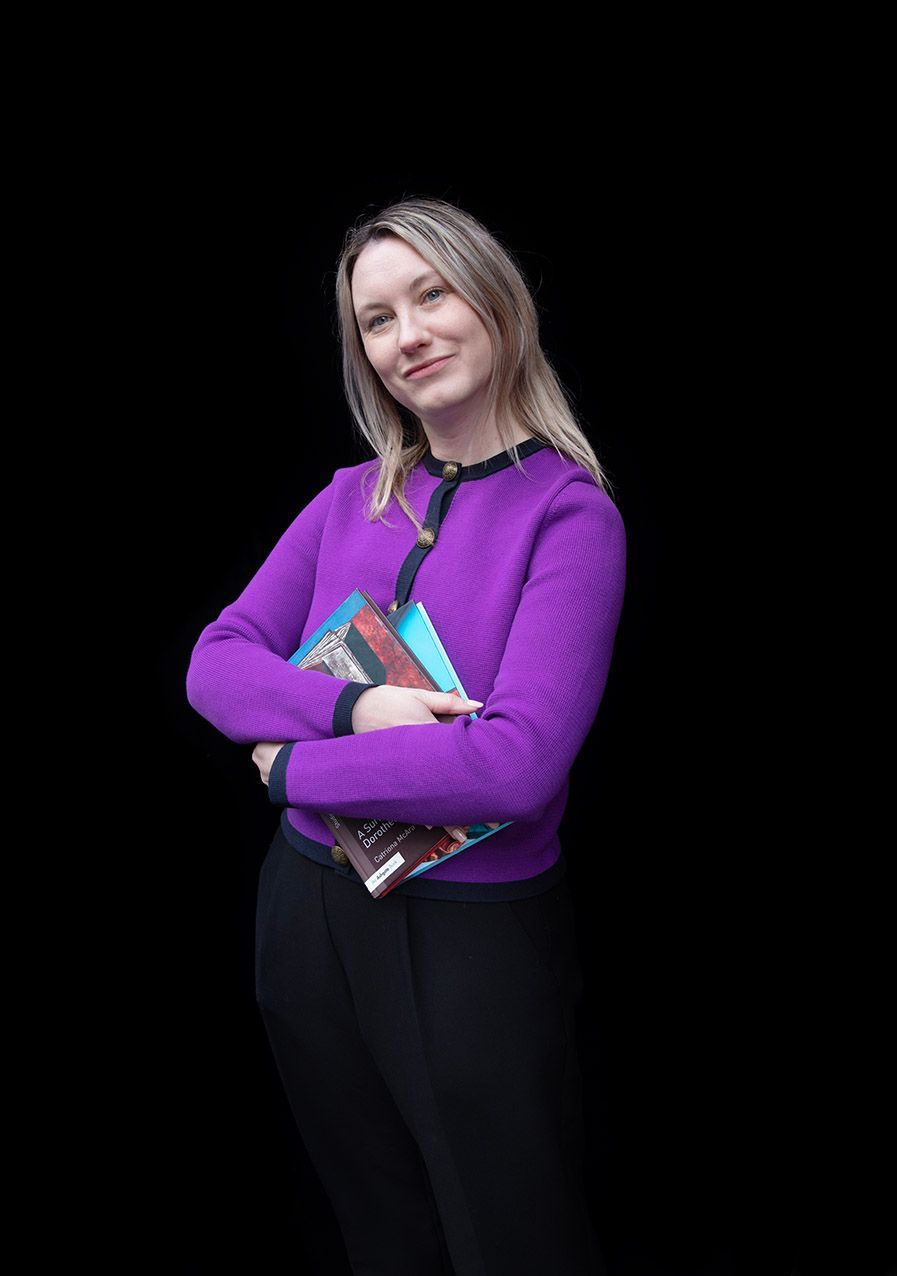
Female Voices in Art: Interview with Mariana Varchuk, Curator Khanenko National Museum of Arts, Kyiv
“The responsibility of my colleagues, regardless of gender, ensures that our country stands strong and our museum remains alive.”
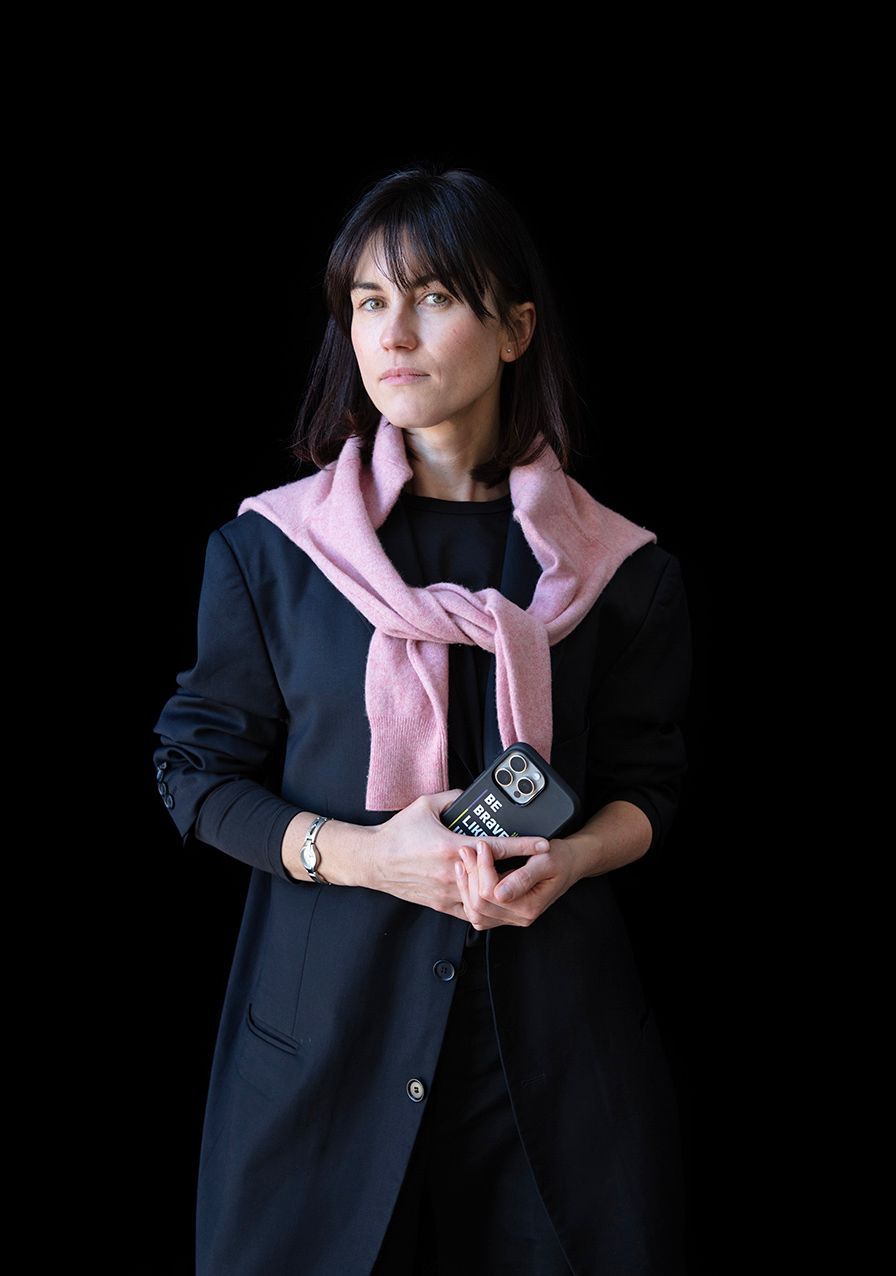
Mariana Varchuk (b. 1987, Poltava, Ukraine) has a PhD in Art History and has been the curator of the collection of portrait miniatures at The Bohdan and Varvara Khanenko National Museum of Arts in Kyiv from 2019. From 2011 to 2022, she worked as a senior research associate in the Department of Western European Art, and from 2022 to 2024, as a research associate in the Department of Collection Care. Mariana is now Assistant Director of the Museum Data Cataloguing and Digitisation Department. Her professional interests focus on attribution, research, conservation treatment, and storage of the museum’s collection. The most challenging experience has been the rescue and preservation of the artworks during the first months of the full-scale invasion of Ukraine in February and March 2022.
Could you tell us something about your role in the art world?
I love to discover something new every day, both for myself and for the visitors at the Khanenko Museum. This is a place of visual art, world culture, a tradition of philanthropy, and a reflection of our history, people, and values. The museum offers me a vast array of opportunities: to study the collection, contribute to conservation, serve as a guide, participate in the restoration of historic buildings, run exhibitions, and at the same time, experience art objects up close. My role is to care for and to share the art of the Khanenko Museum.
What did you enjoy about being a part of this project?
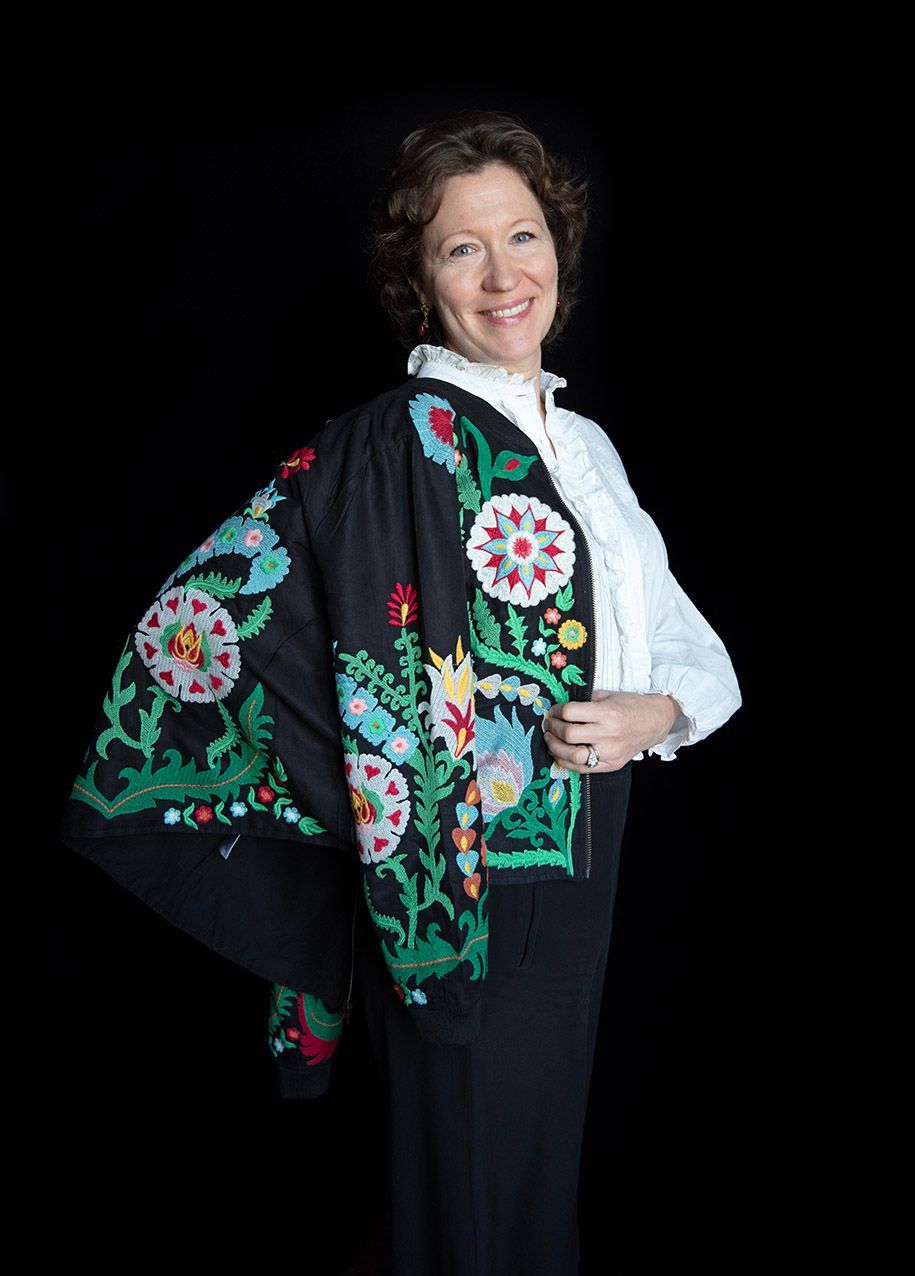
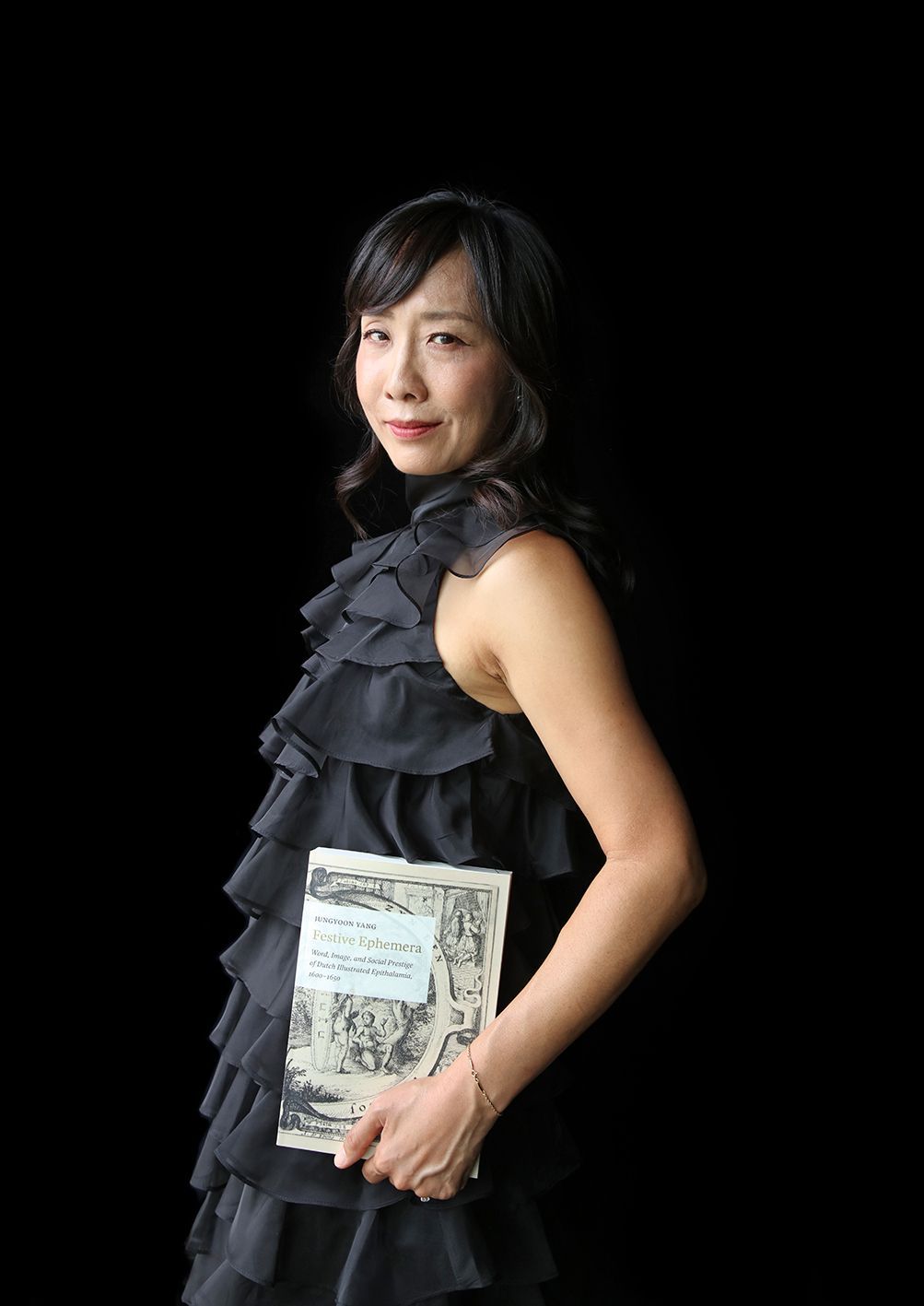
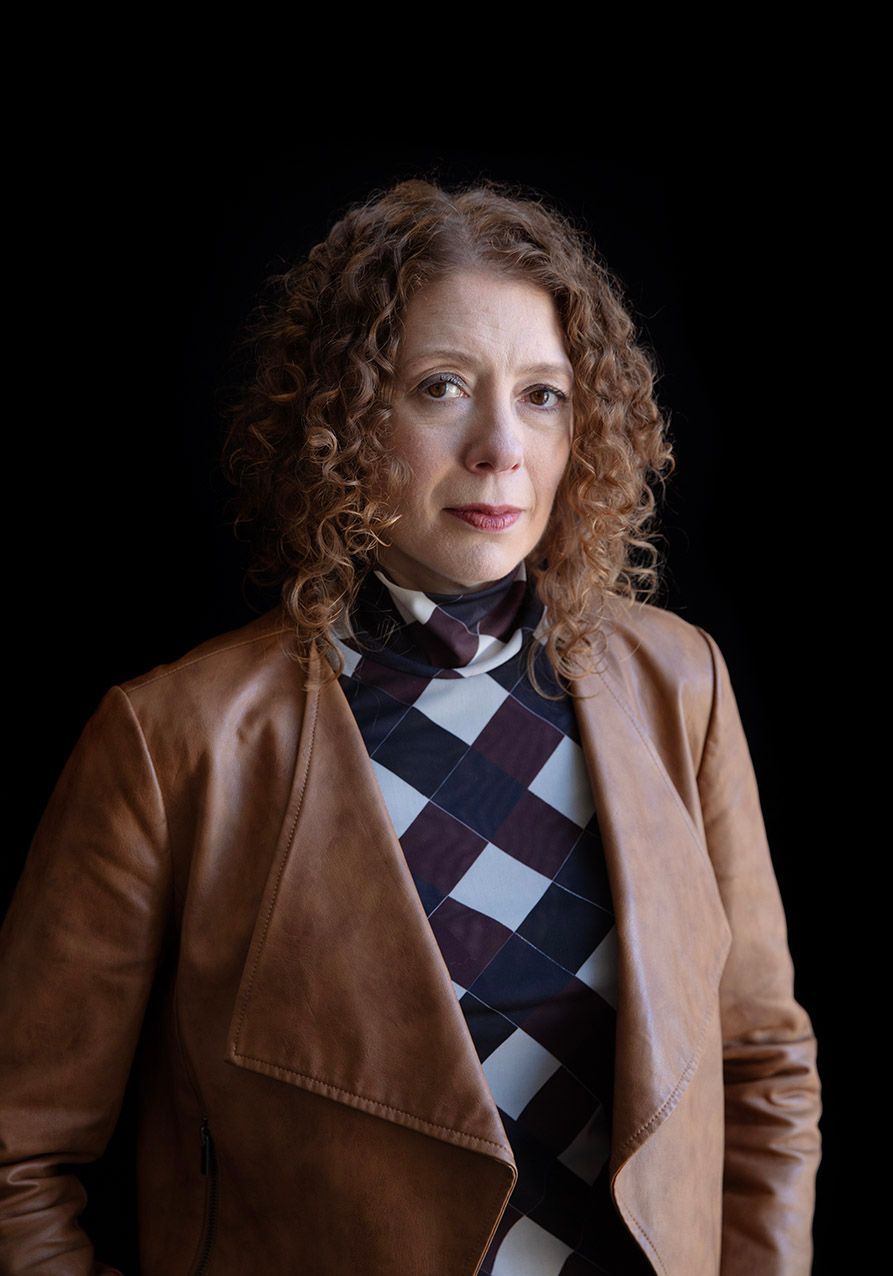
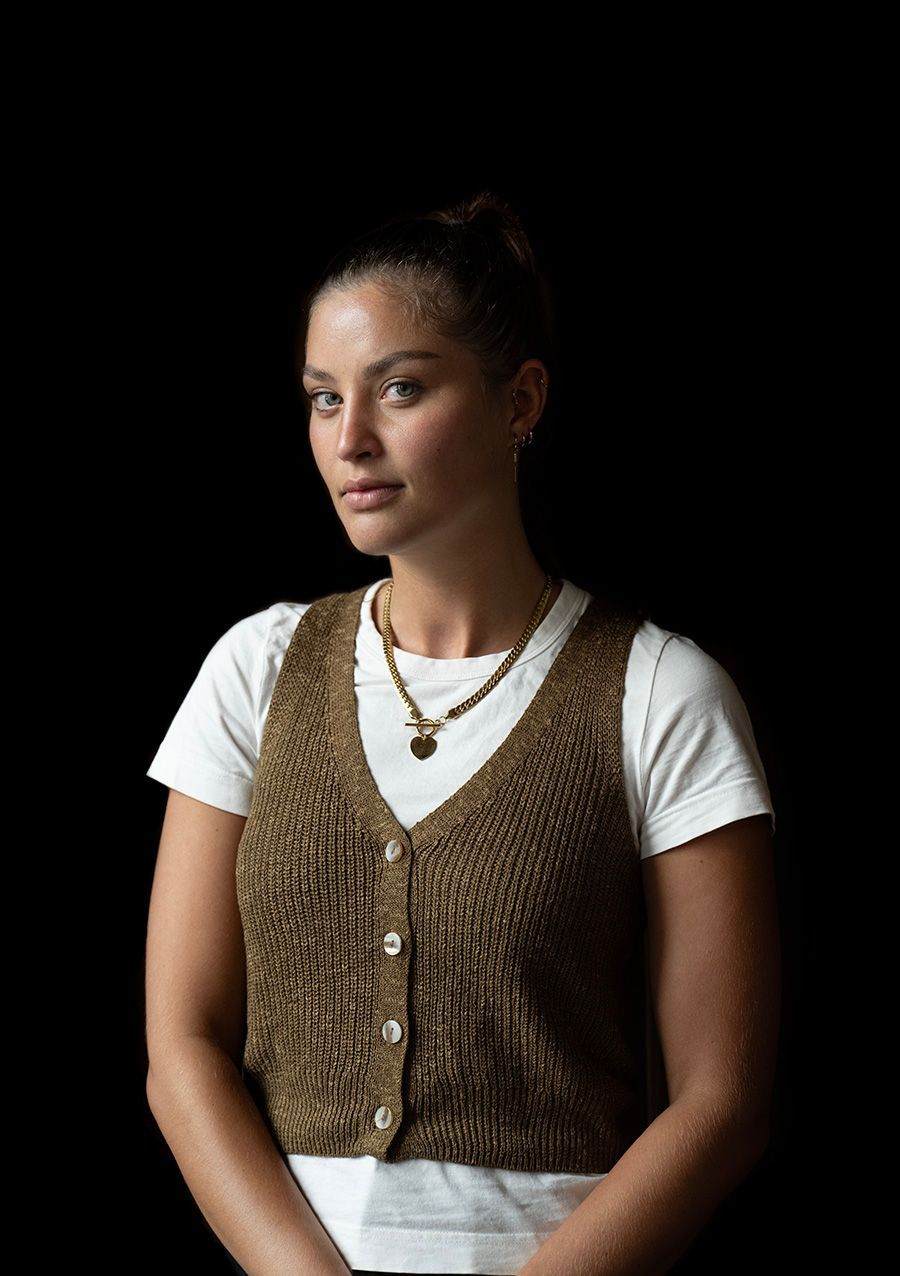
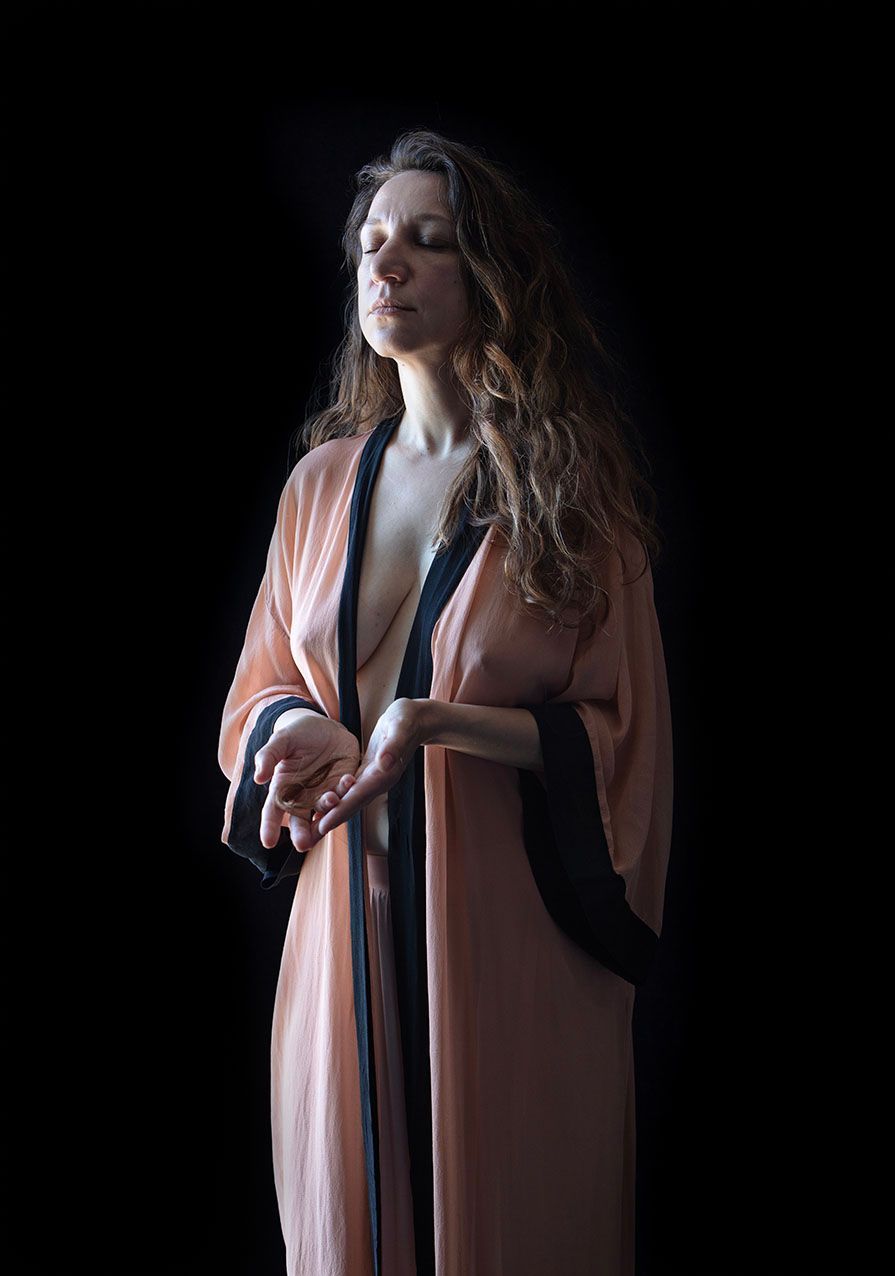
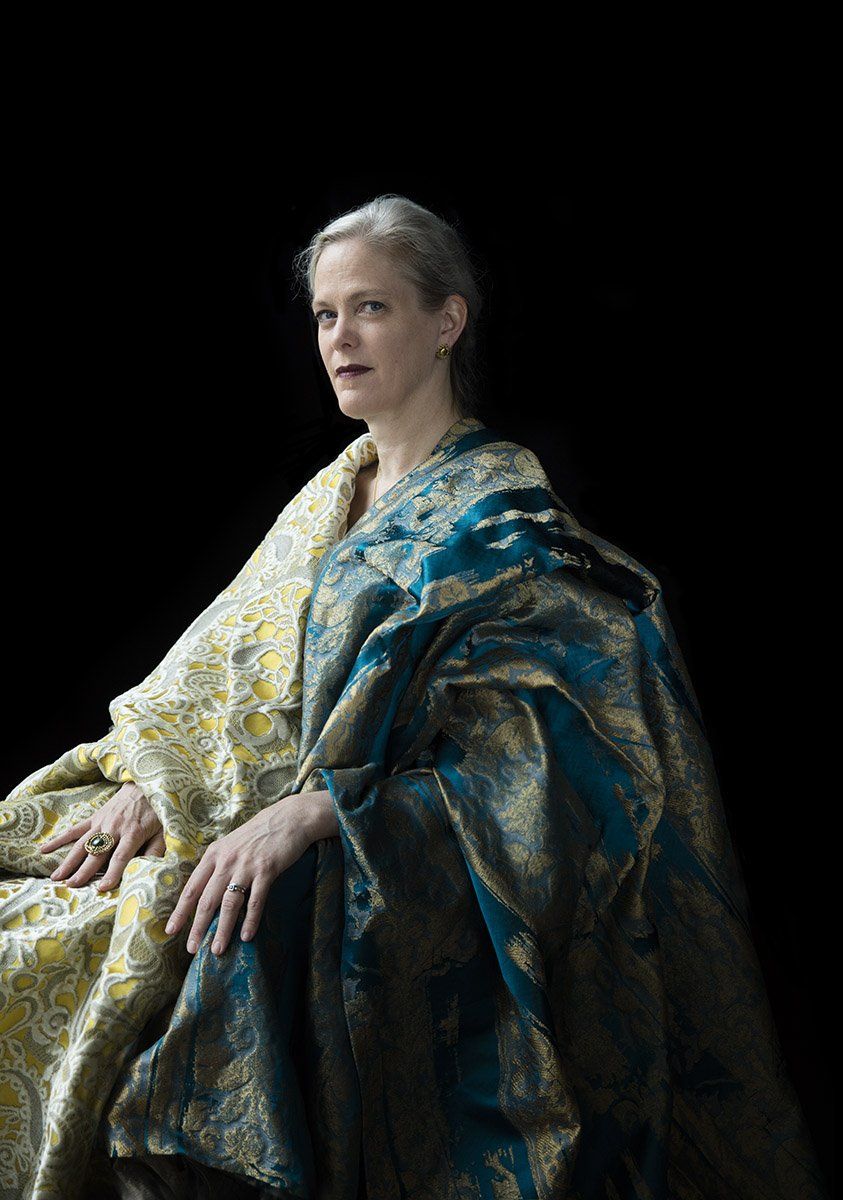
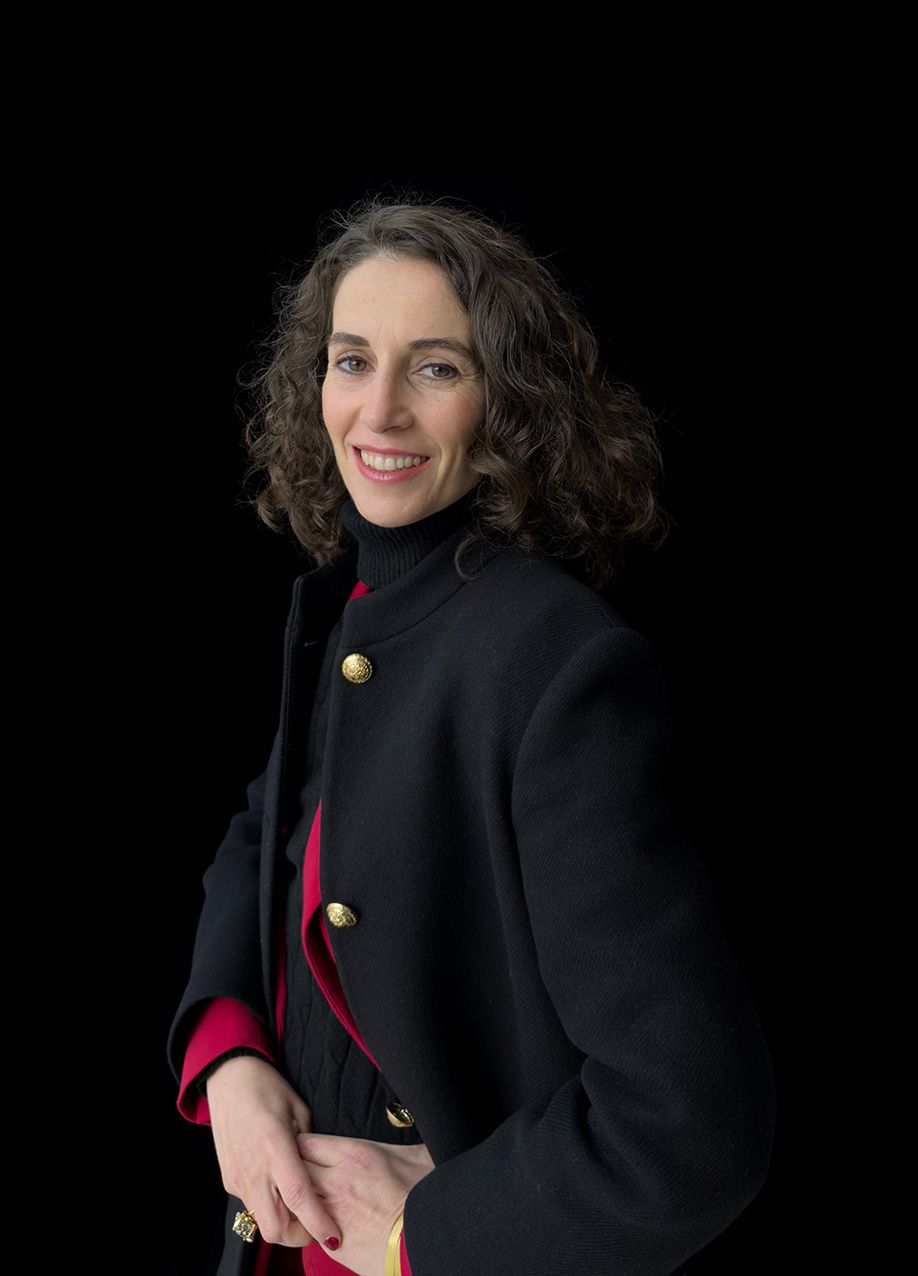
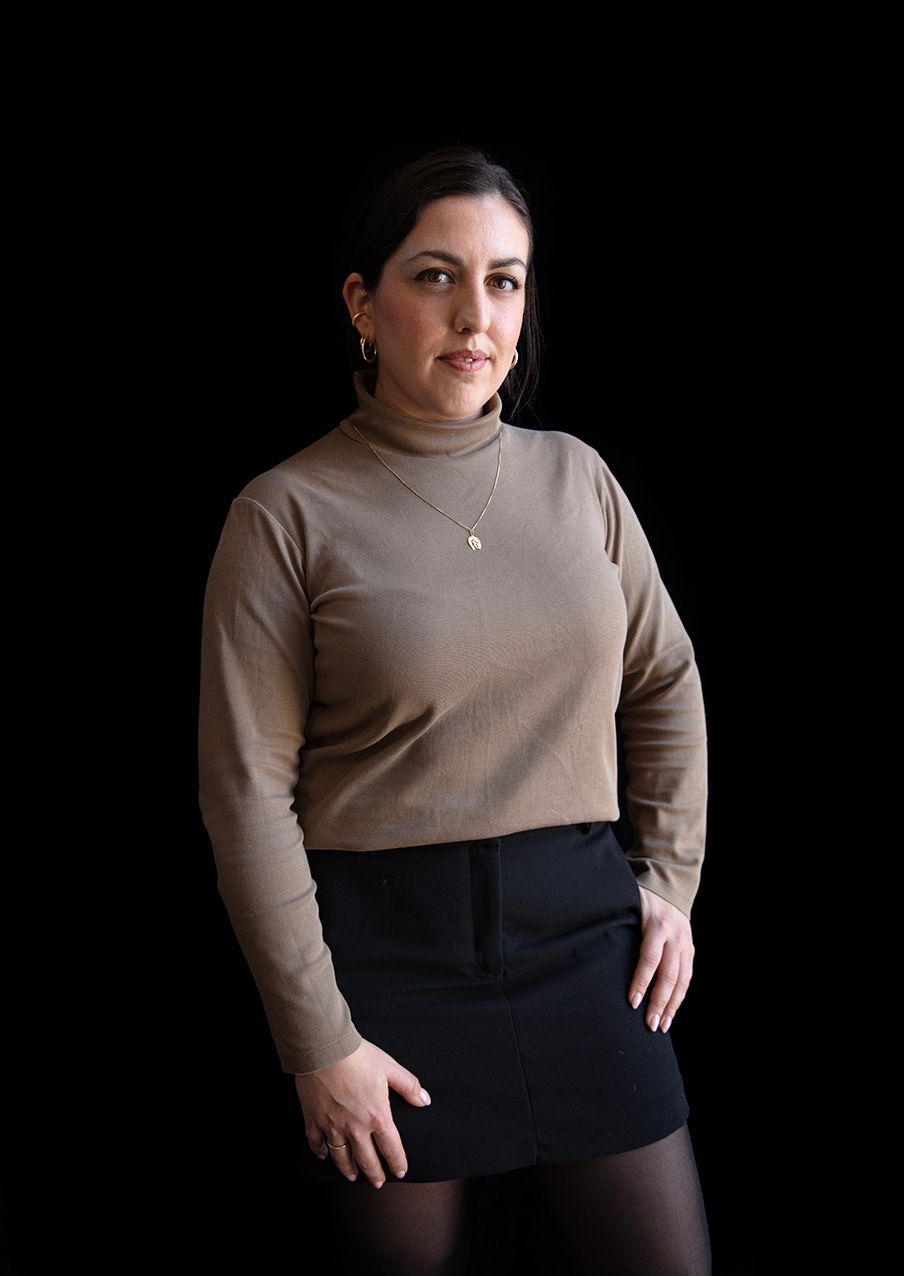
The project idea connects both narrative and visual senses. It tells the story of women today on their everyday routine tied up with the cultural heritage; its creating, caring, studying, promoting and managing. A classical way of presentation of the portraits shows the women at their habitual place with dignity to every spot in art. It is a special honour to have a photoshoot seen through the empathic eye of Carla van de Puttelaar and to add information on the Ukrainian museum and team.
Do you have a favourite artist?
My favorite artist often appears in the process of an attribution — in that special moment when a previously unknown creator receives a name. I feel privileged to contribute to the discovery of women artists in our collection, such as Chiara Varotari, Rosalba Carriera, or Marie Duchatel. Delving into their biographies and works reveals the complex male-dominated world of past centuries, where details of women’s lives are often preserved only through the records of their more famous artist fathers or husbands. Each of these discoveries not only restores a name to history but also opens a deeper understanding of the artistic and social contexts in which these women created their work. Beyond this, my true engagement with a favourite artist lies in closely examining her or his work — studying its condition, materials, and techniques, and appreciating the unique manner in which it was executed. It is in these intimate encounters with the object itself that the artist’s presence truly comes alive.
What is your earliest memory involving art?
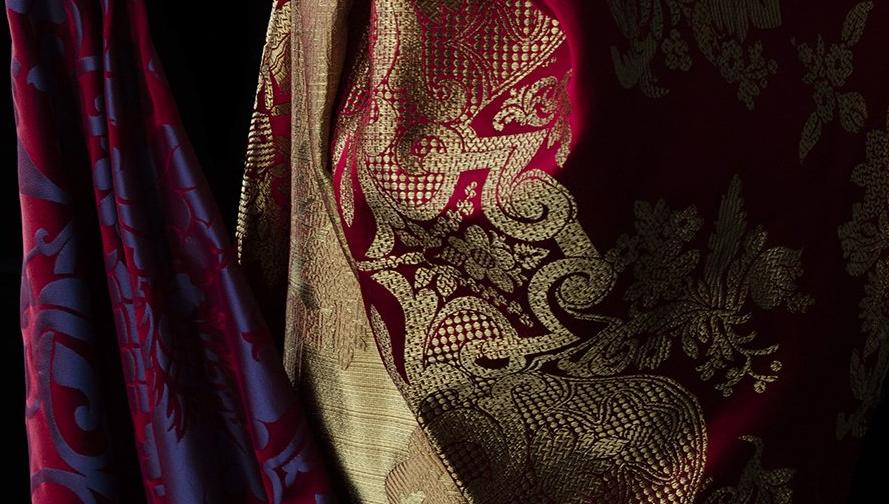
An early memory involving art is looking at the drawings in art books together with my grandfather. I still have an impression of my kid’s thoughts staring at the graphite lines on the paper, how many of these could create with simple instruments, skills and talent. I have experienced this again standing in front of the recently restored full-length Portrait of a Young Lady by Chiara Varotari at the Khanenko Museum, which I was able to attribute to this artist. A lively pink blush on her cheeks, curly red hair, and intricate textures of the Venetian dress made with simply brushstrokes on fishbone canvas, appeared before me from under a thick layer of centuries of dirt. My memories help me today to preserve the aura of an artwork while the galleries of the Khanenko Museum are empty to safeguard the collection during the war.
Do you have any special thoughts about the position of women in the art world?
Right now, in Ukraine, we don’t really reflect on the role of women separately — we simply do our work. Every citizen is standing in defense of our country and of European values against Russia’s aggressive war. Women serve in the Ukrainian armed forces alongside men, and in the cultural sphere the situation is similar. In our museum, most of the team are women as three of our male colleagues are currently serving as well. And their dedication defines the resilience of the institution. The team curates projects, conducts research, conserves collections, and manages the museum, often while also caring for their families and supporting their communities. The responsibility of my colleagues, regardless of gender, ensures that our country stands strong and our museum remains alive.
What are you wearing, and tell the story behind it?
I’m wearing a vintage Moschino men’s jacket and wide trousers – spacious garments that give me the freedom to think, move, and act with ease. My pink cashmere sweater keeps me warm and gently reminds me of the care that each of us deserves. Iit was a thoughtful gift from a dear friend. My phone cover, Be Brave Like Ukraine, was made in Kharkiv – a city that has been a vital center for Ukrainian literature and culture since the early 20th century. So close to the frontline, it faces Russian bombardments every single day. Yet it continues to produce and sustain cultural life, just as every Ukrainian city does, standing as a quiet testament to resilience, courage, and the enduring power of creativity.
What are you currently working on?
I’m currently working on the digitalization of the collection and data at the Khanenko Museum. Going with our collection online has for us two benefits at once: to present our cultural heritage to the world and to preserve it in digital images for physical safekeeping, which is the crucial task during the full-scale Russian invasion of Ukraine. In the summer of 2024 we launched a fresh direction with an enthusiastic group of colleagues to boost the desire for openness and accessibility of our museum to the public. I’m happy to be at the beginning of a brand-new digital experience both with an art collection of 25.000 objects and a motivated team, bringing exciting plans to life during these turbulent days.
Could you mention a project, an institution that, or a person who has been important or inspiring for your career and why?
The Khanenko Museum has been the most important institution in my career. Its history and the vision of its founders, Bohdan and Varvara Khanenko, have always been inspiring to me. In the early 20th century, they assembled a remarkable and eclectic art collection and generously bequeathed it, together with their mansion, to the city of Kyiv to make it available to the public. For more than ten years I have had the privilege to work at this museum, surrounded by a diverse group of people, by the aura of outstanding artworks, and by colleagues who share a deep love of art. This environment has given me constant inspiration for research, for sharing art with people, and for understanding how cultural heritage can connect communities.