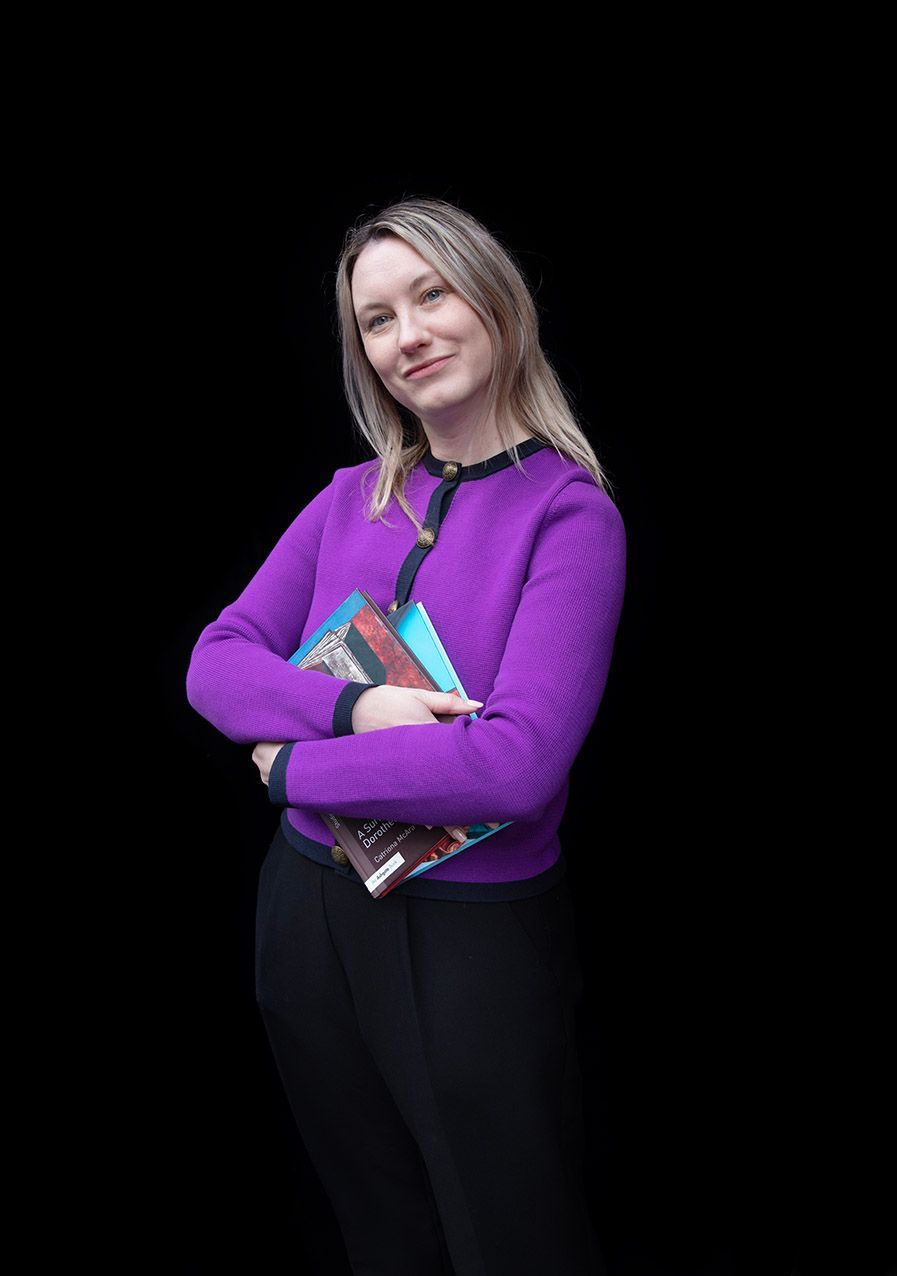
Female Voices in Art: interview with Jacquelyn N. Coutré, Eleanor Wood Prince Curator at the Art Institute of Chicago
"Women have long helped to shape the art world in ground-breaking ways."
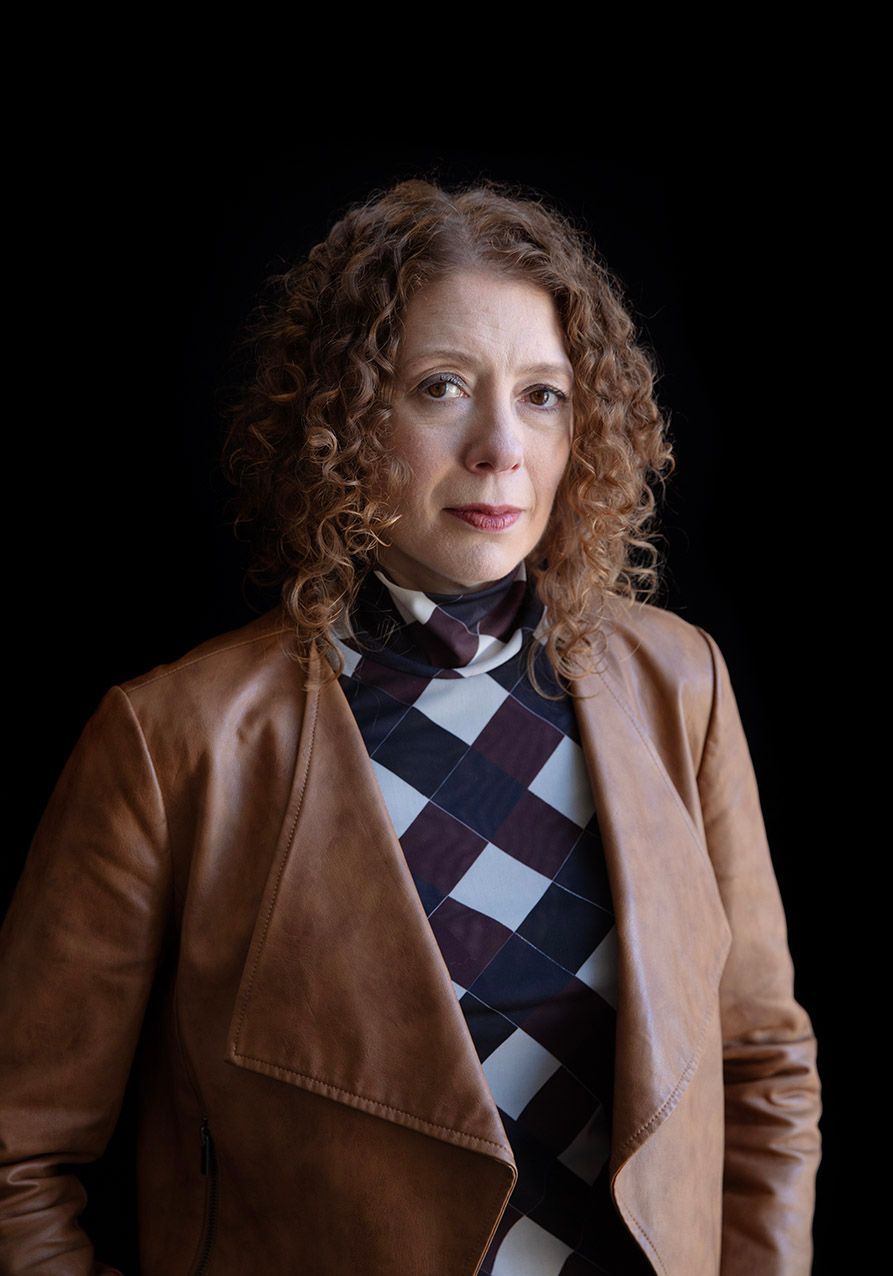
Jacquelyn N. Coutré (b. 1977, Reading, USA) is the Eleanor Wood Prince Curator at the Art Institute of Chicago. Since her arrival in 2019, she has overseen the reinstallation of the 17th-century Dutch and Flemish galleries; acquired paintings by artists such as Edwaert Collier, Maria van Oosterwijck, and Willem Heda; and curated Van Gogh and the Avant-Garde: The Modern Landscape (2023) in collaboration with the Van Gogh Museum, Amsterdam. Prior to Chicago, she was the Bader Curator and Researcher of European Art at the Agnes Etherington Art Centre at Queen’s University (Kingston, Canada), where she organized numerous exhibitions, including Leiden circa 1630: Rembrandt Emerges (2019). She has held positions at a number of institutions, including the Indianapolis Museum of Art at Newfields and Adelphi University, and has received research grants from the Fulbright Foundation and the Metropolitan Museum of Art, among others. She received her MA (2003) and PhD (2011) from New York University.
Could you tell us something about your role in the art world?
I oversee the collection of Northern European painting and sculpture, which ranges from approximately 1150 until 1750, at the Art Institute of Chicago. I also serve as an Associate Editor for the Journal of Historians of Netherlandish Art and as a board member of the American Friends of the Mauritshuis.
What did you enjoy about being a part of this project?
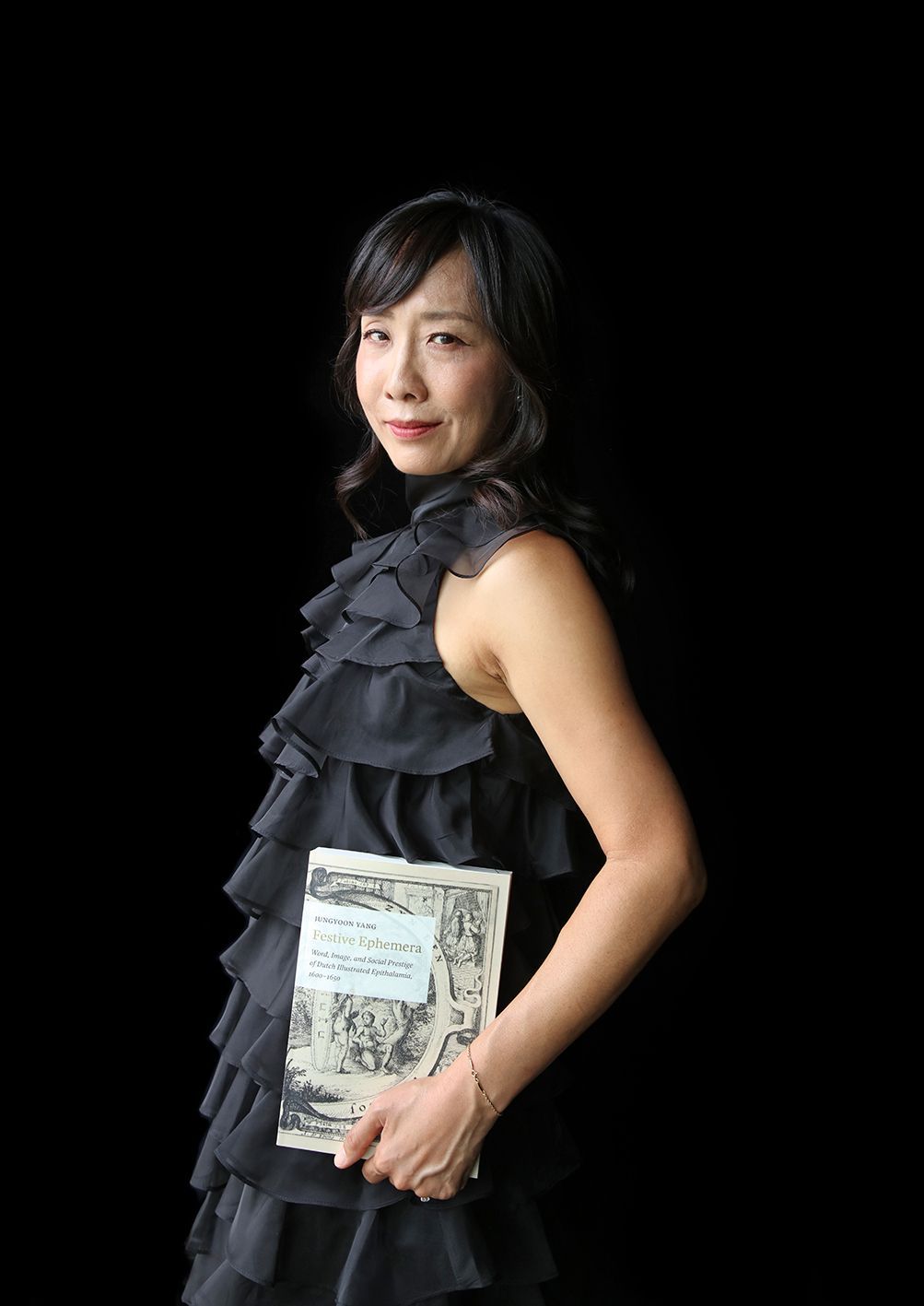
One of my favorite things about this project is that it is a visual record of women in the arts. As specialists in the visual, I think it's particularly powerful to record the likenesses of those who have contributed to the field.
Do you have a favourite artist?
Rembrandt.
What is your earliest memory involving art?
I have vivid memories of looking at picture books with my grandmother, who attended the School of the Art Institute in the 1940s. She had volumes dedicated to the great painters from across the eras—Diego Velázquez, Peter Paul Rubens, Claude Monet—but my childhood favorite was Vincent van Gogh. His energetic brushstroke and sumptuous color stuck with me for decades.
Do you have any special thoughts about the position of women in the art world?
Women have always been in the art world, as collectors and dealers, curators and artists. Vincent van Gogh would have languished in obscurity without Johanna van Gogh-Bonger. The Art Institute would not be such a destination for Monet paintings without Bertha Palmer and Sara Tyson Hallowell. The first director of the Orsay was Françoise Cachin. Women have long helped to shape the art world in ground-breaking ways.
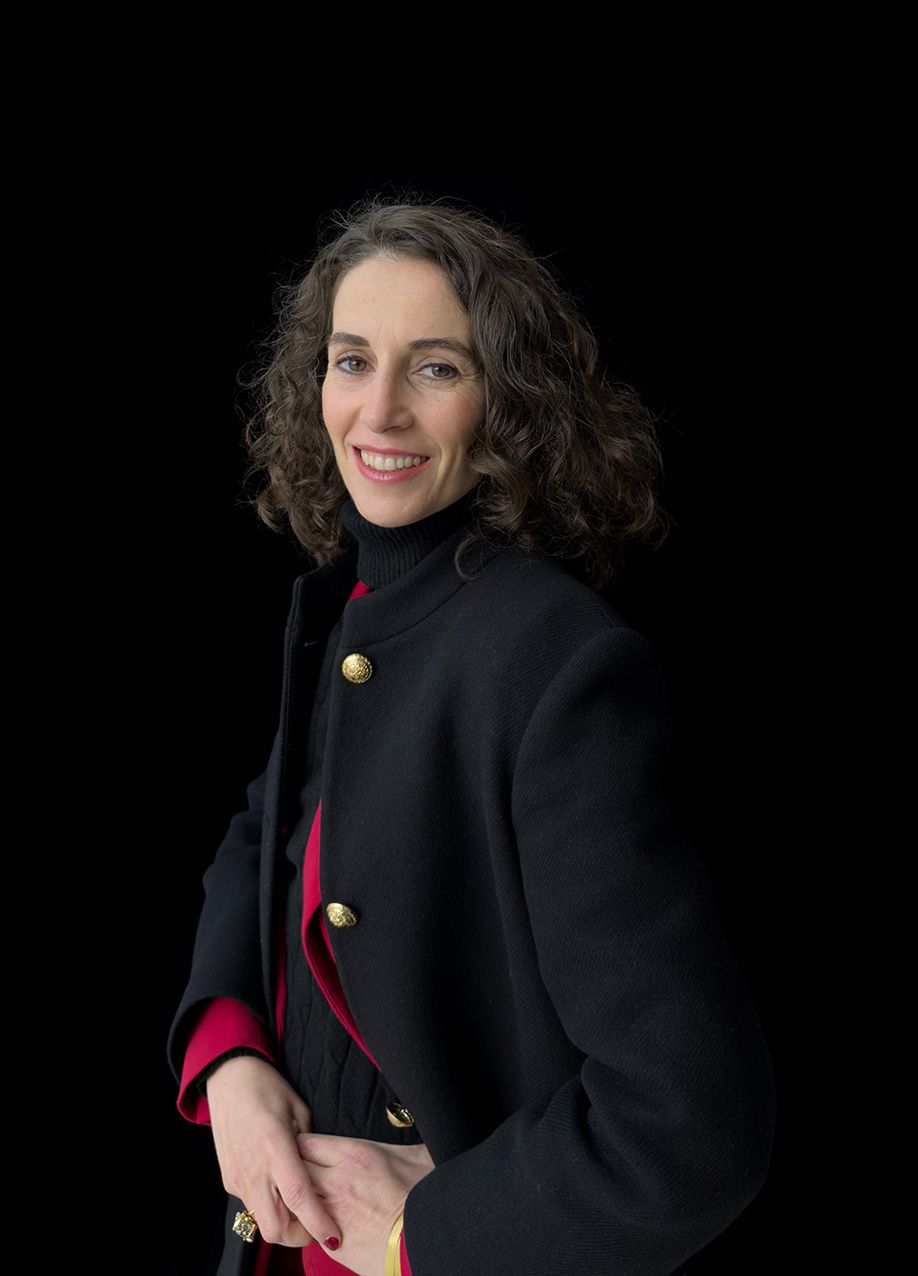
What are you wearing, and tell the story behind it?
This photo was taken at the Wallraf-Richartz Museum in Cologne during a conference, so I was wearing pieces that travel well.
What are you currently working on?
With a team, I am working on a highlights catalogue of our 17th-century Dutch and Flemish paintings at the museum. Some of these paintings are among our earliest purchases, and it's exciting to be able to systematically examine the collection from technical and art-historical perspectives.
Could you mention a project, an institution that, or a person who has been important or inspiring for your career and why?
Ronda Kasl, now Curator of Latin American Art at the Met, taught my Northern Baroque classes during my undergraduate years. She was then senior curator of painting and sculpture at the Indianapolis Museum of Art, and she invited me to apply for an internship with her at the museum. During that one semester, she showed me how creative and intellectually gratifying curating in a museum context could be. She remains a model for me.
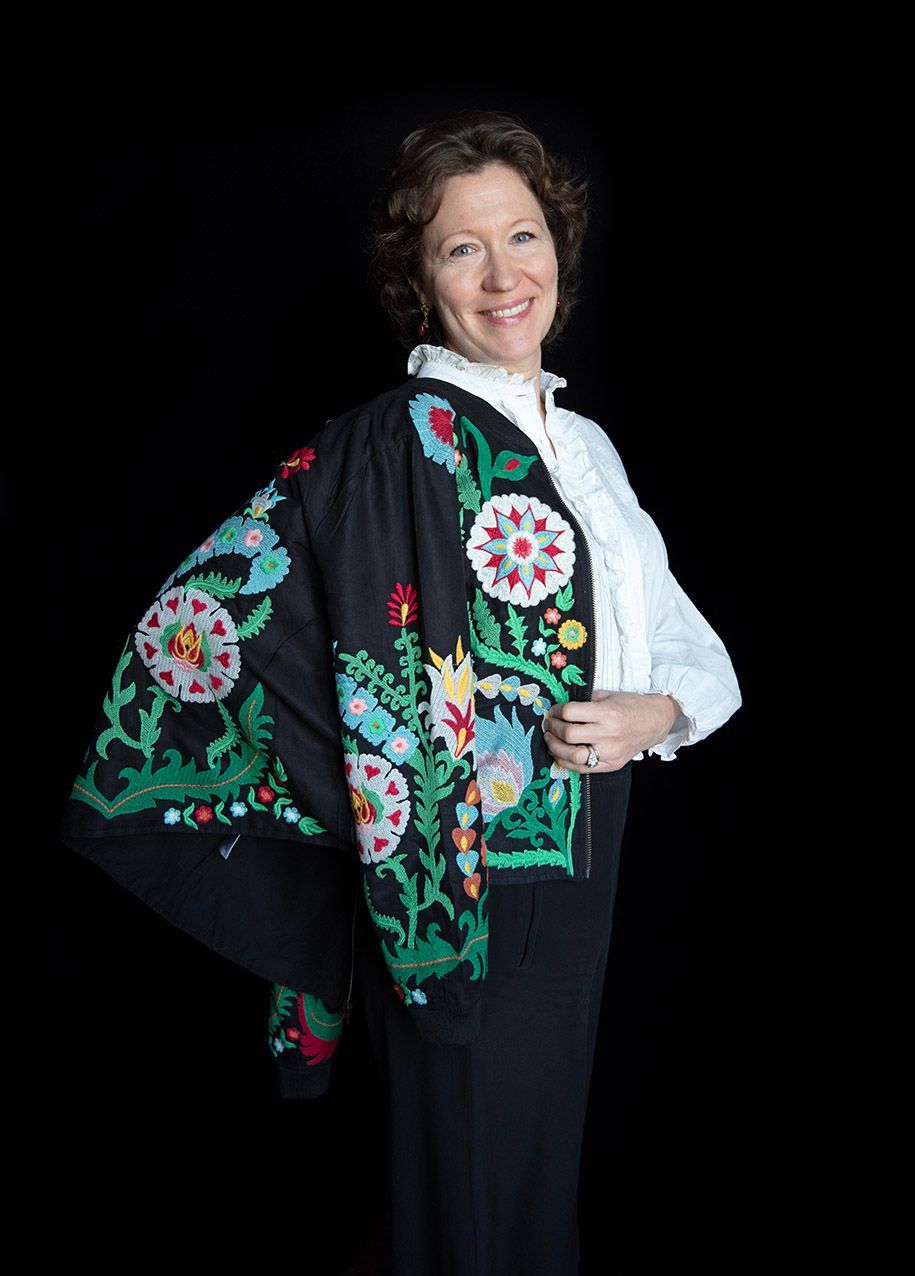
Female Voices in Art: Interview with Mariana Varchuk, Curator Khanenko National Museum of Arts, Kyiv