Female Voices in Art: Marisa Anne Bass, Professor of Art History at Yale University
"To be a woman in academia demands using one’s whole self. You can’t really keep anything in reserve."
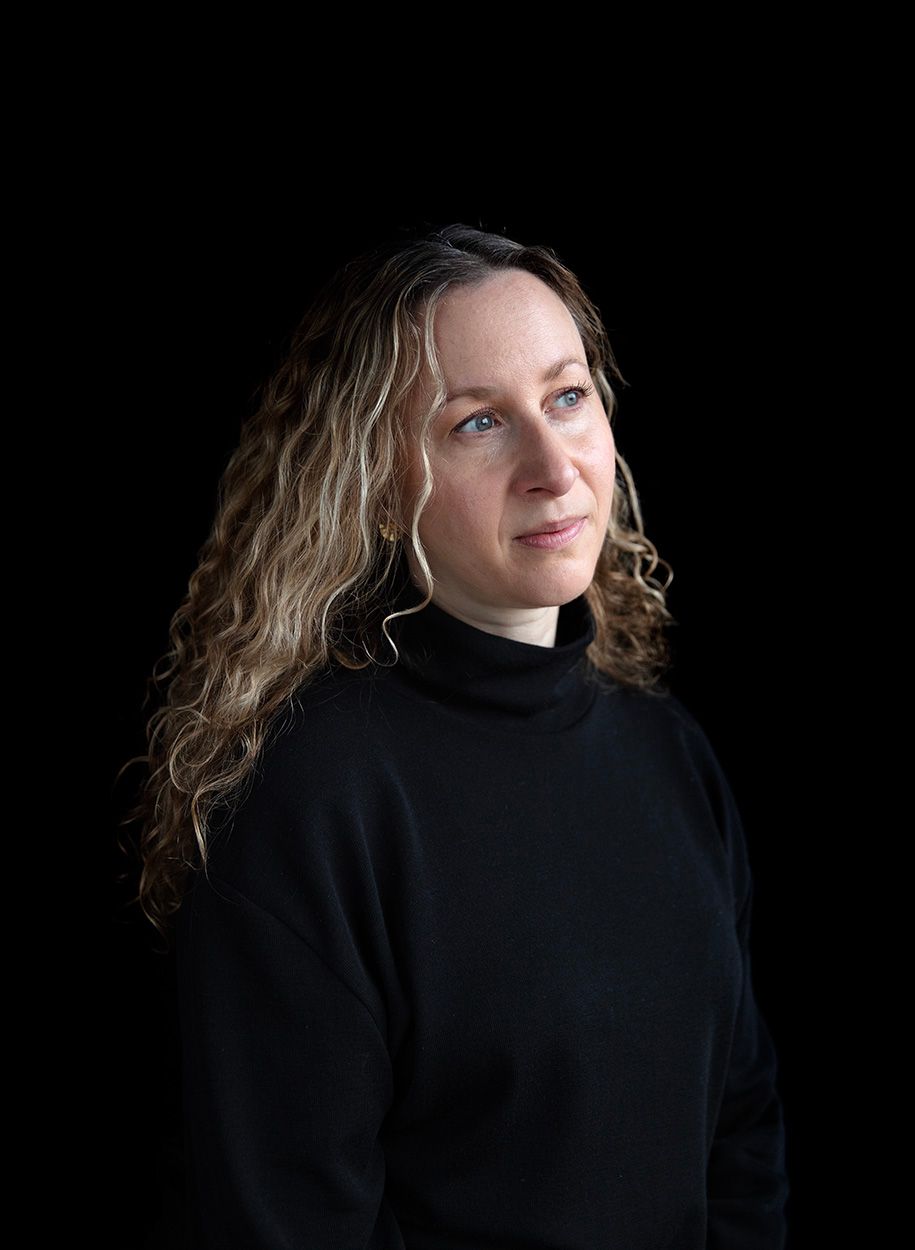
Marisa Anne Bass (b. 1981, Peoria, IL, US) is Professor in Art History at Yale University. She joined the Yale faculty in 2016, after teaching previously at Columbia University and Washington University in St. Louis. She holds a B.A. in Humanities from Yale and an M.A. and Ph.D. from Harvard University in the History of Art. Her publications include Jan Gossart and the Invention of Netherlandish Antiquity, Insect Artifice: Nature and Art in the Dutch Revolt, and her forthcoming The Monument’s End: Public Art and the Modern Republic. She is also the co-author of Beyond Bosch: The Afterlife of a Renaissance Master in Print and Conchophilia: Shells, Art, and Curiosity in Early Modern Europe.
Could you tell us something about your role in the art world?
As a professor of art history, I consider my foremost role not only to train future academics and curators in the field but also to teach undergraduate students how to look at the works of art they encounter in their diverse future lives, and how to appreciate history through them. My specialism in the art of the early modern Netherlands is a starting point, not a limit, for the work I do in the classroom. In addition to writing and teaching, I have engaged curation as a form of mentoring, most recently as a faculty advisor to the student-curated exhibition Thinking Small: Dutch Art to Scale.
What did you enjoy about being a part of this project?
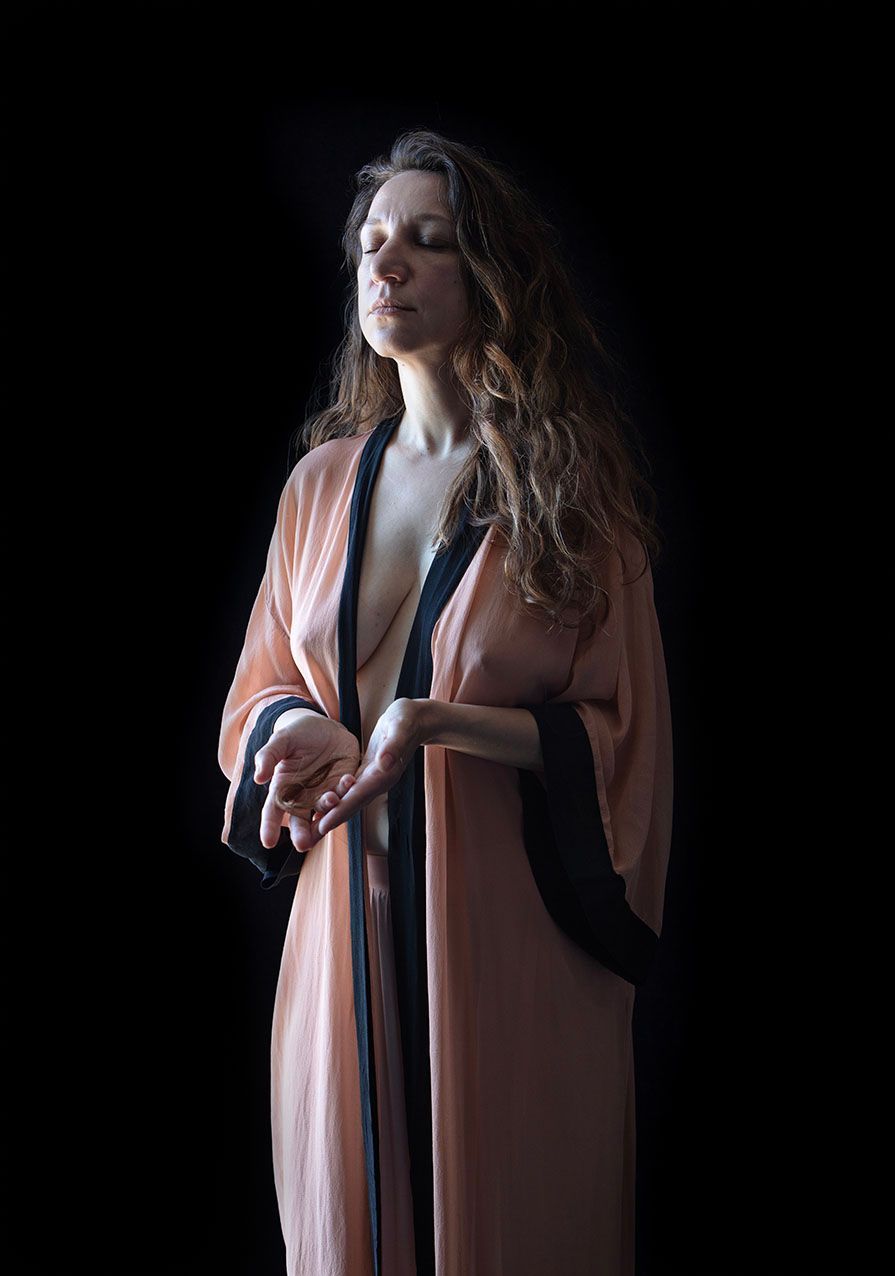
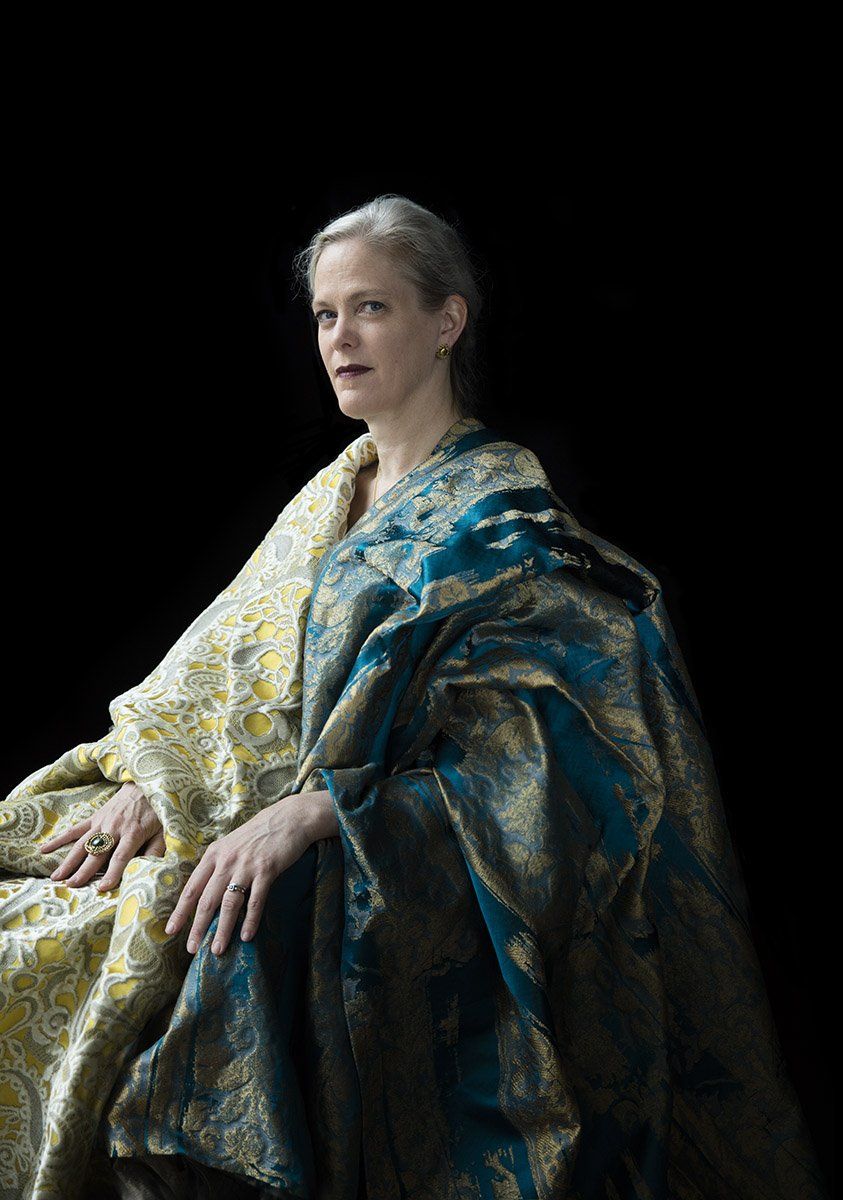
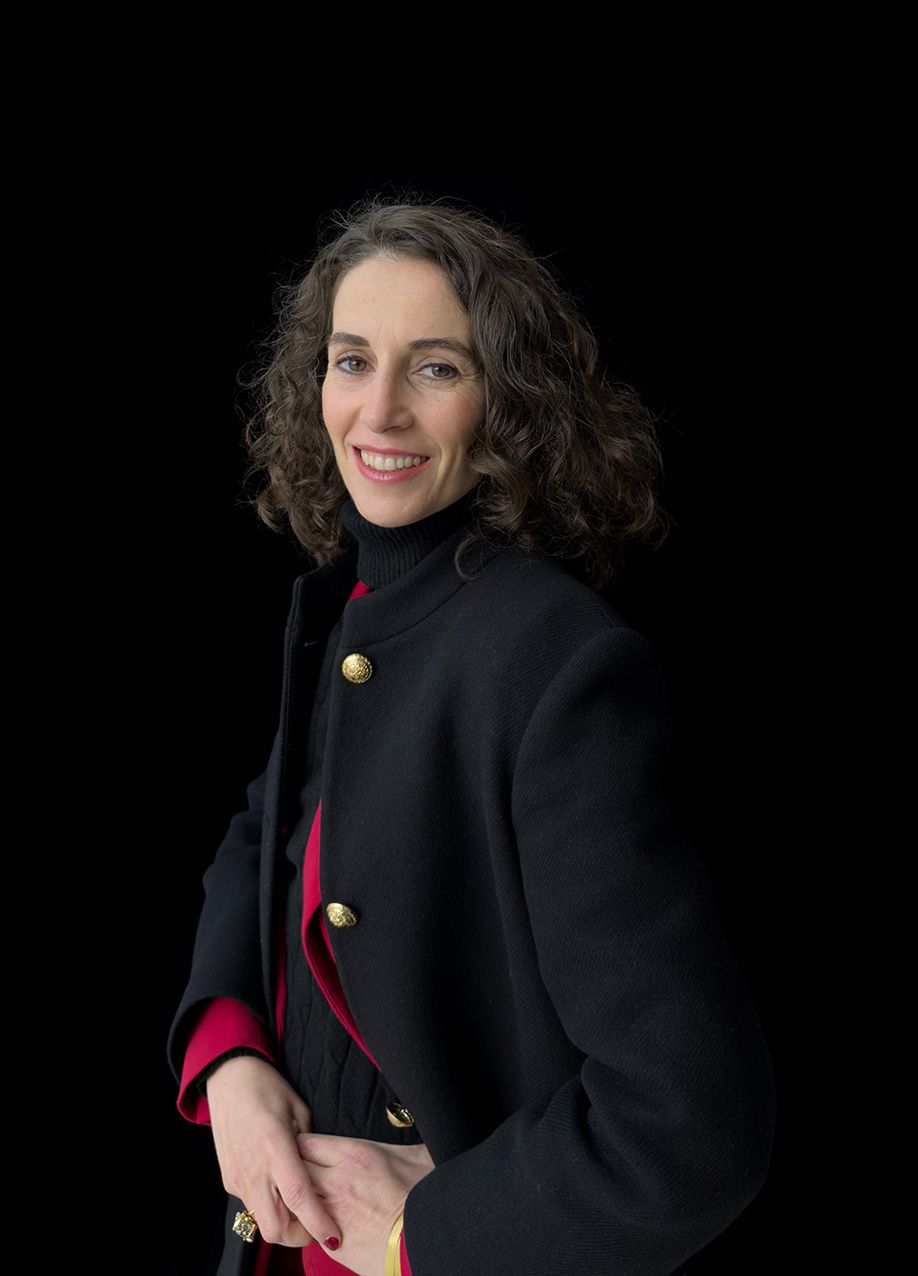
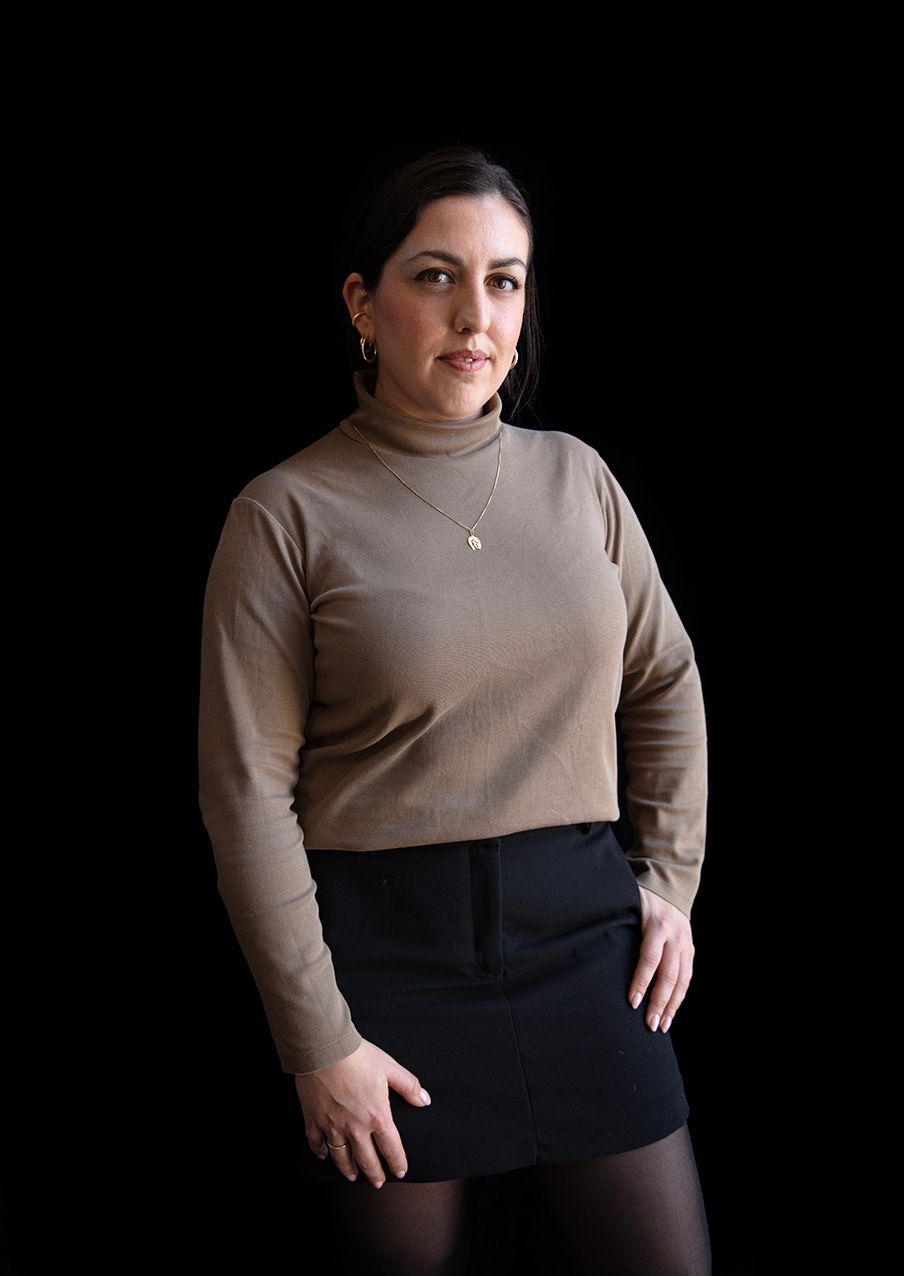
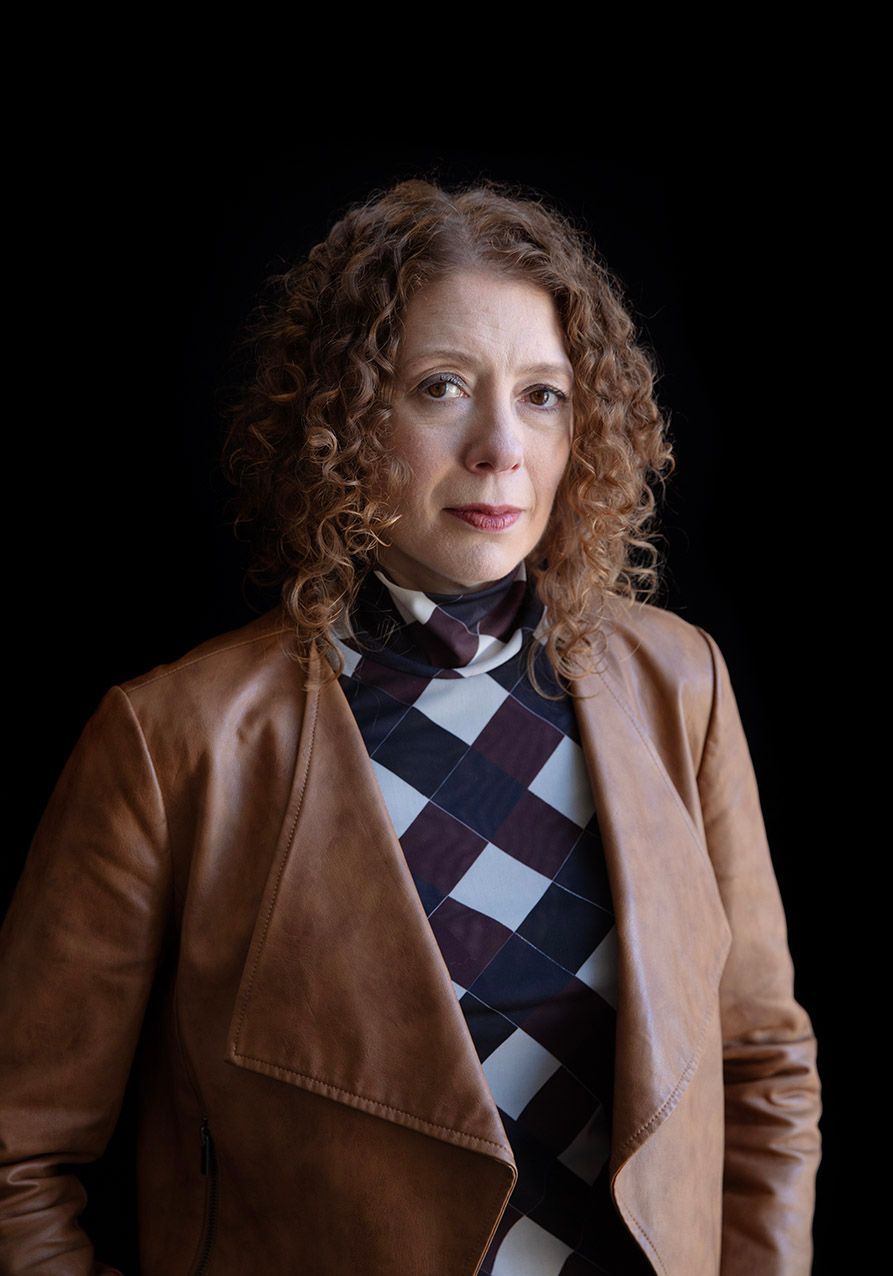
Carla and her studio! I love the way Carla pays homage to history through a modern medium. Sitting for this portrait surrounded by her collection of antique costumes and chandeliers, illuminated only by the natural light of a beautiful gray December morning in Amsterdam, was the most peaceful I can remember feeling in months. I will treasure the memory of being photographed as a woman by a woman with such sensitivity to people and to history.
Do you have a favourite artist?
Pieter Bruegel the Elder, hands down! His painting The Procession to Calvary in Vienna’s Kunsthistorisches Museum first set me on the path of becoming an art historian. Bruegel could paint everything—people, landscapes, animals, stuff—in ways that still feel fresh 500 years later.
What is your earliest memory involving art?
I have a collection of associated memories: the skylight in my mother’s art studio, her palette of oil paints, looking at the pastel portrait of me as a baby looking up at a mobile above my crib, for which my mother had won first prize in an art show; looking through the screen door in my bedroom at the fields of grazing cattle on the farm where I grew up, my mother’s favorite subjects, and watching the light change.
Do you have any special thoughts about the position of women in the art world?
To be a woman in academia demands using one’s whole self. You can’t really keep anything in reserve. I often feel that students expect me to engage them, to care for them, and to see their whole selves, in ways that my male colleagues are not asked to do in quite the same way. It is not harder for women to get jobs as professors of art history, but it is still harder for women to be in those jobs. Since I became a mother, I feel that even more acutely, and it’s hard to know how much of that comes from me. Caretaking is so much a part of my life now, and caretaking is the hardest job, but I don’t agonize over it. Becoming a mother has also brought me closer to other brilliant women in my life, and it has made me a better teacher and thinker.
What are you wearing in the portrait, and is there a story behind it?
I am wearing my favorite category of clothing item, a black turtleneck, with earrings that the incredible jewelry designer Jenna Fennell of East Camp Goods made for me reusing diamonds from one of my grandmother’s old cocktail rings. I remember my grandmother’s fabulous rings from when she taught me to needlepoint as a child, between her martinis and ciggies.
What are you currently working on?
I am starting a new book project on the Renaissance scholar Desiderius Erasmus and his impact on the art of the European Renaissance. It’s not about what Erasmus thought about art but about how artists thought with his writings and ideas.
Could you mention a project, an institution that, or a person who has been important or inspiring for your career and why?
When I was still a graduate student, my former advisor Hugo van der Velden told me on a drive through Hungary that the best advising is about friendship. He is a wonderful friend and an inspiring one, and he taught me the invaluable lesson that as a scholar, one should never take oneself too seriously.
Female Voices in Art: Interview with Mariana Varchuk, Curator Khanenko National Museum of Arts, Kyiv